
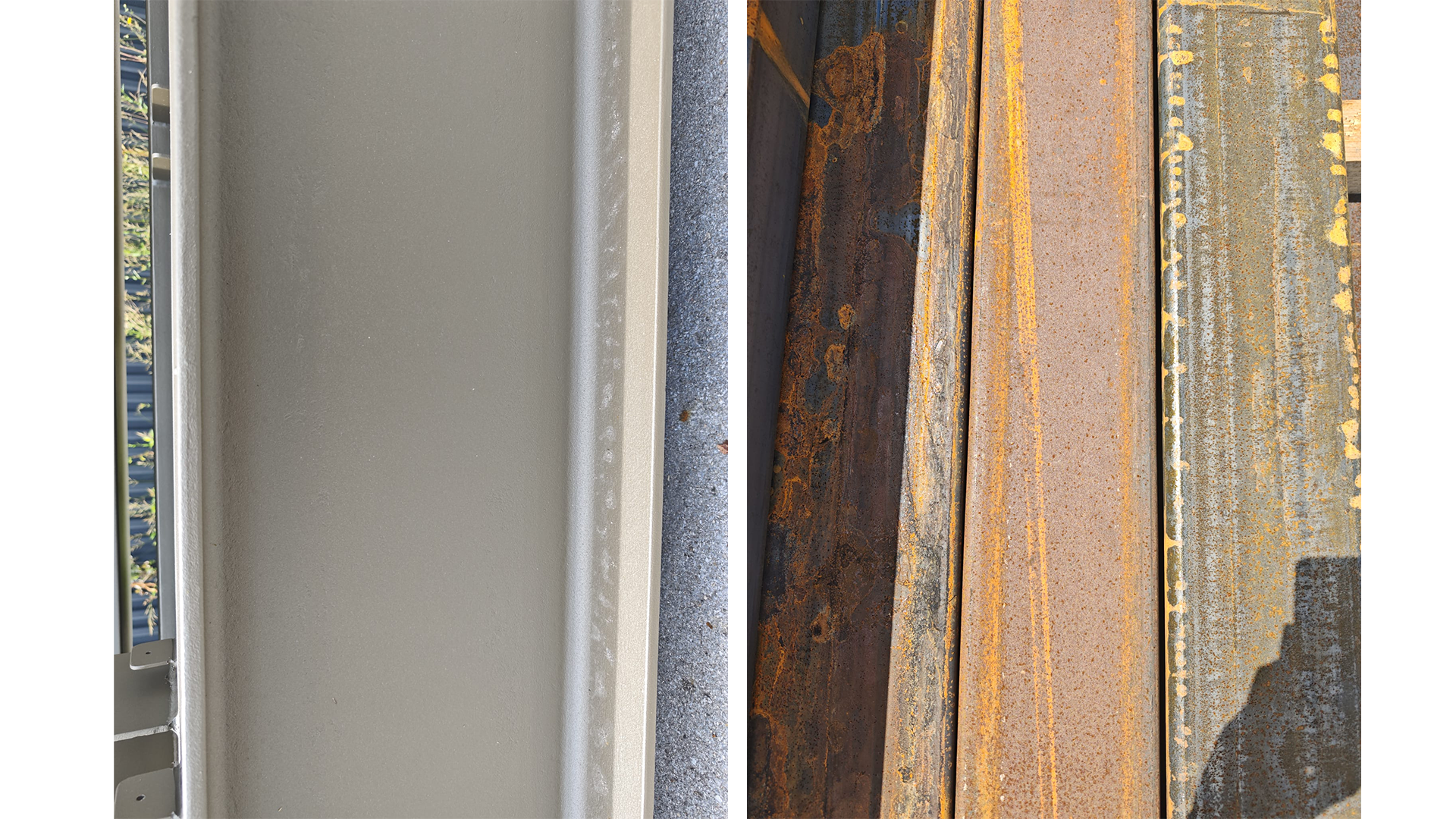

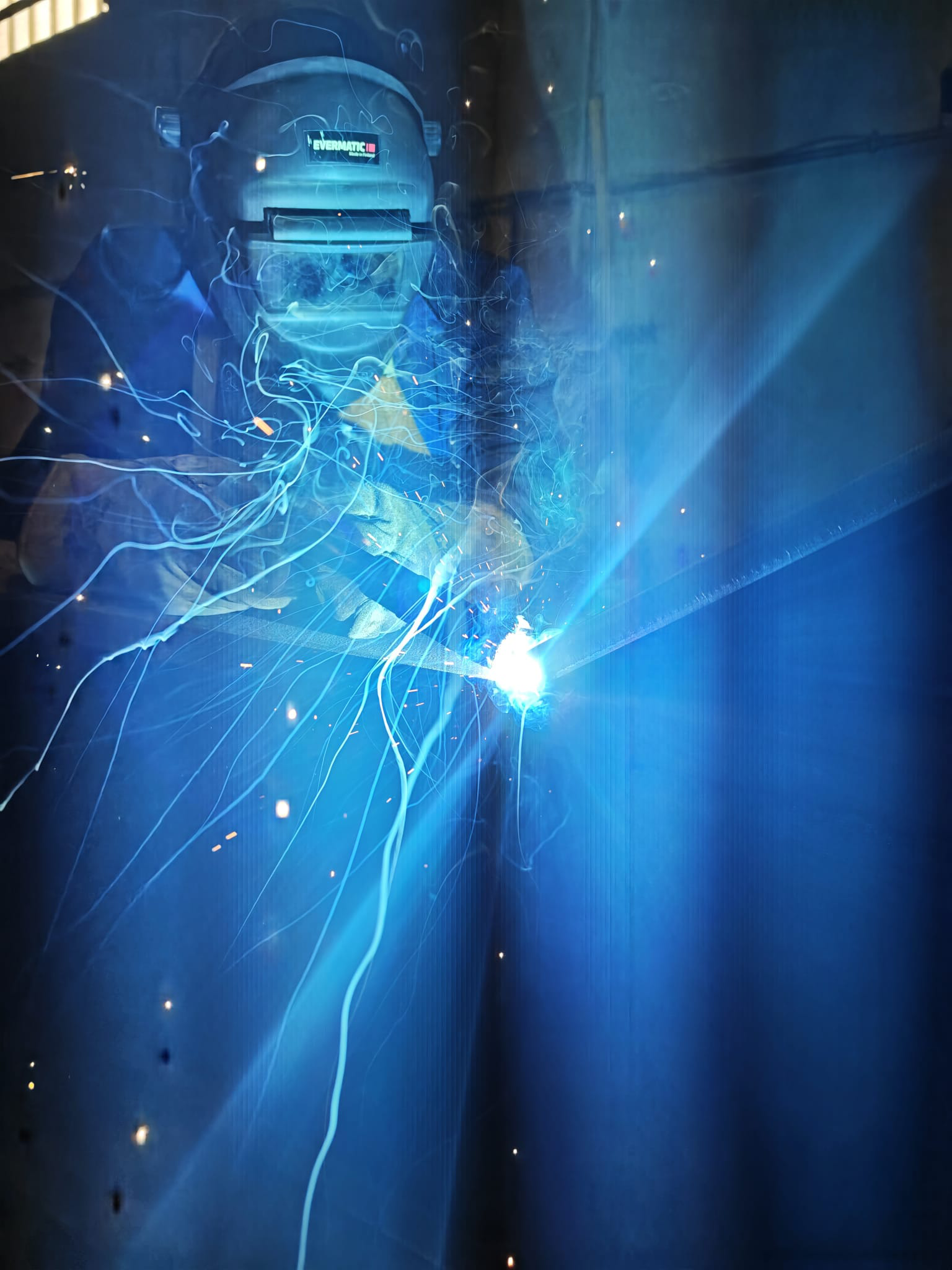
Should we choose a cheaper material now - or a more expensive one for a peaceful future?
In metalwork, it is one of the key decisions from the start of the design process: Which material to choose? Often we are faced with a dilemma - should we use a basic, low-cost material or invest in something more expensive but more durable?
The truth is that there is no universal answer. But there are guidelines that can save a lot - not only in cost, but also in reputation and long-term product reliability.
Price is not always the best advisor
Cheap material is not necessarily bad. For certain products - especially those that will only be exposed for a short period of time or are used by the client in dry indoor environments - there is no need for more expensive solutions. For example, a simple structure for temporary storage, or a prototype product for presentation at a trade fair, can easily be based on black steel without additional corrosion protection.
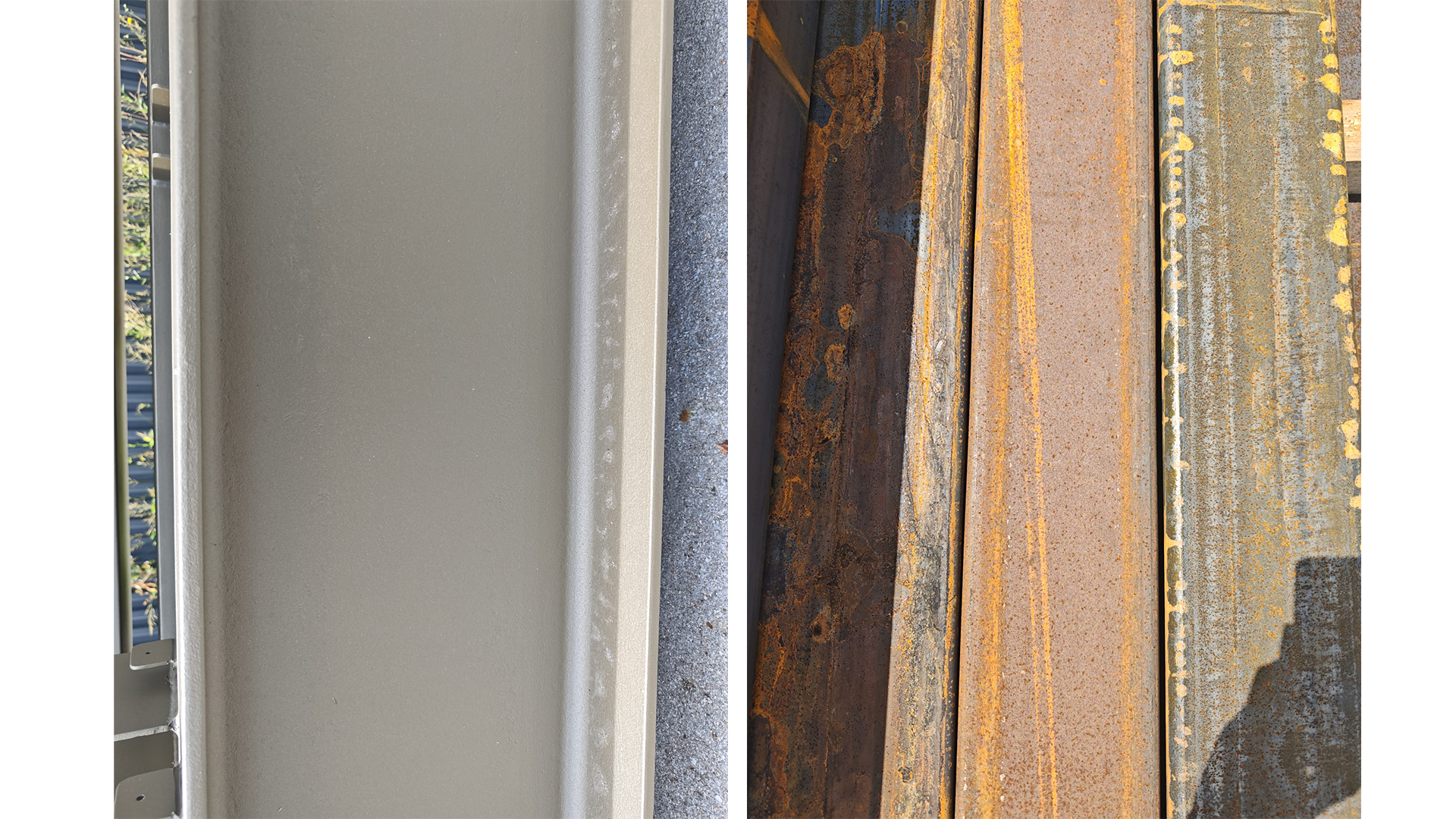
But the moment we are talking about a finished product that will be exposed to weathering, mechanical stresses or demanding maintenance, the calculus quickly turns. Cheap materials often come with hidden costs - from additional coatings and protections, to frequent servicing, parts replacement and even complaints.
Practical example: fencing at an industrial facility
A few years ago, a company in central Slovenia ordered a fence made of plain steel with an anti-corrosion coating. Initially, the price difference between this and the inox version was about 25 %. But after just three years, the paint started to peel, rust appeared, and the entire fence was replaced due to loss of aesthetic value. The final cost? More than 2.5 times the original quote for the inox version.
When does the investment pay off?
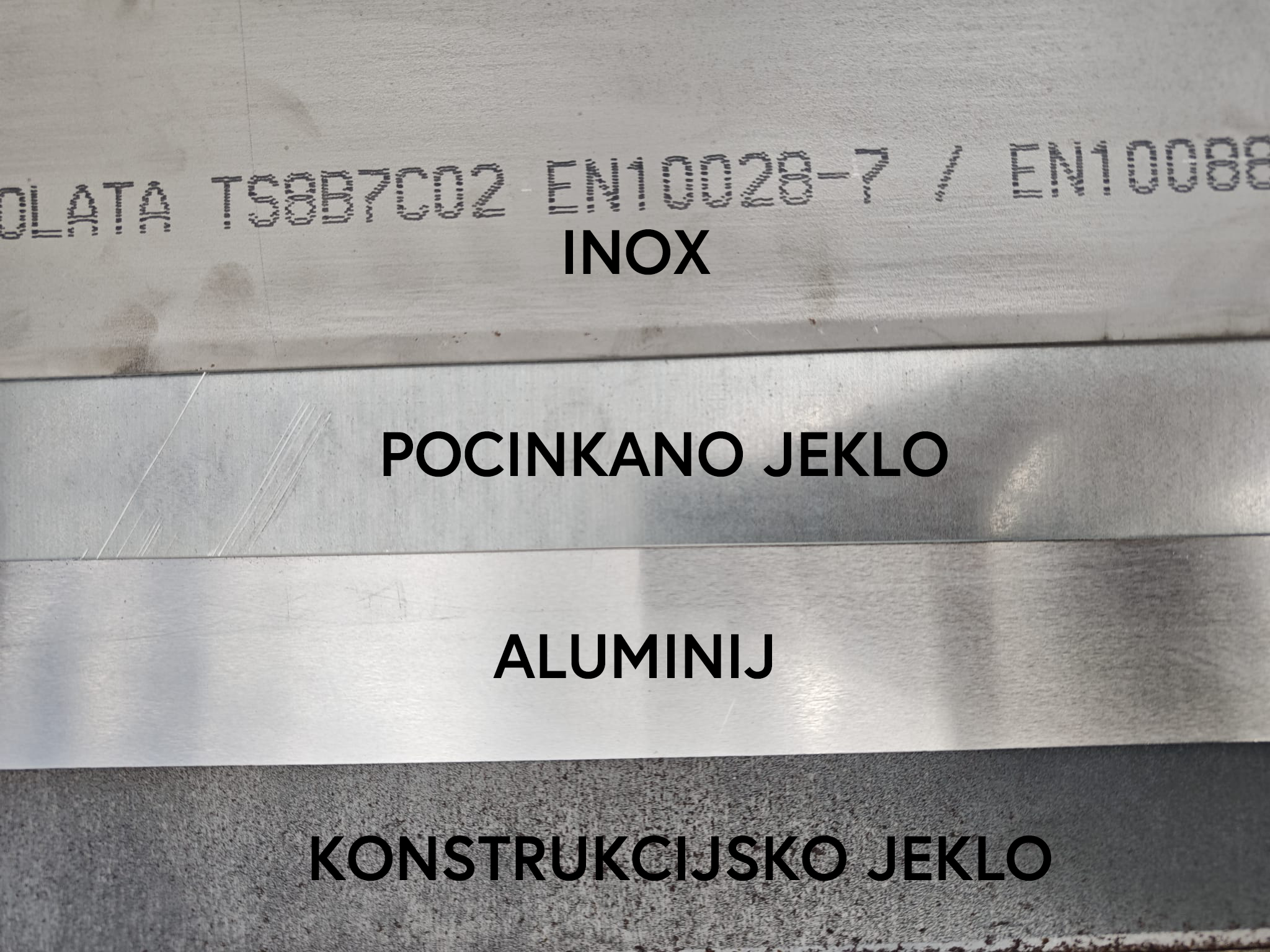
More expensive materials such as stainless steel (inox), high-alloy aluminium profiles or galvanised steel (HDG) are particularly worthwhile in the following cases:
- External usewhere the product is exposed to moisture, UV light, salt or chemical attack.
- Hard-to-reach installation siteswhere any service or repair would be logistically (and financially) very challenging.
- High mechanical loadswhere cheaper materials would lose shape or strength.
- References and reputationwhere appearance and integrity are more than just basic functionality (e.g. in public spaces or buildings with a tourist function).
When can we choose the cheaper option?
- Short life cycle product - e.g. structures that will only be used temporarily.
- Indoor areas with controlled conditions, free from condensation, moisture or wear.
- Prototypes, test productswhere speed of production and low initial investment are important.
- Elements without an aesthetic role, hidden or technical parts where functionality is not conditional on appearance.
Long-term thinking
The value of a material should not be judged solely on its price per kilogram. It is important to understand the entire life cycle of a product: from initial processing, assembly and use, to maintenance and eventual replacement. In many sectors - especially construction, public infrastructure and industry - more expensive materials turn out to be significantly cheaper 10 or 20 years later.
This is why the method LCC (Life Cycle Costing)where all costs are taken into account - both initial costs and costs incurred during the lifetime of the product. In this respect, inox, HDG or aluminium often outperform primed steel, even if they look more expensive at first sight.
Conclusion
The decision on the material is both technical and strategic. Sometimes a better material is simply an investment in a peaceful future - fewer problems, fewer complaints and a better relationship with the customer. Other times, it is an unnecessary expense that a skilled designer will be able to identify on paper. The key is to make a decision based on the specific use, environment and lifetime of the product.
 English
  Slovenščina
  Deutsch (Sie)