
Why metal is the best choice in the long term
Deciding which structure to choose for a building or an external element is not always easy. On paper, wood or concrete may look cheaper, but the real picture only emerges over time. Metal is often the one that delivers the most value in the long term - even if the initial investment is higher.
Why price per kg is not a benchmark
We often hear that steel is too expensive because the price per kilogram is higher than for wood or concrete. But building is not buying meat by the kilo. It's about a complex process involving design, manufacture, installation, maintenance and adjustments throughout the lifetime of the structure.
Speed of installation and build quality
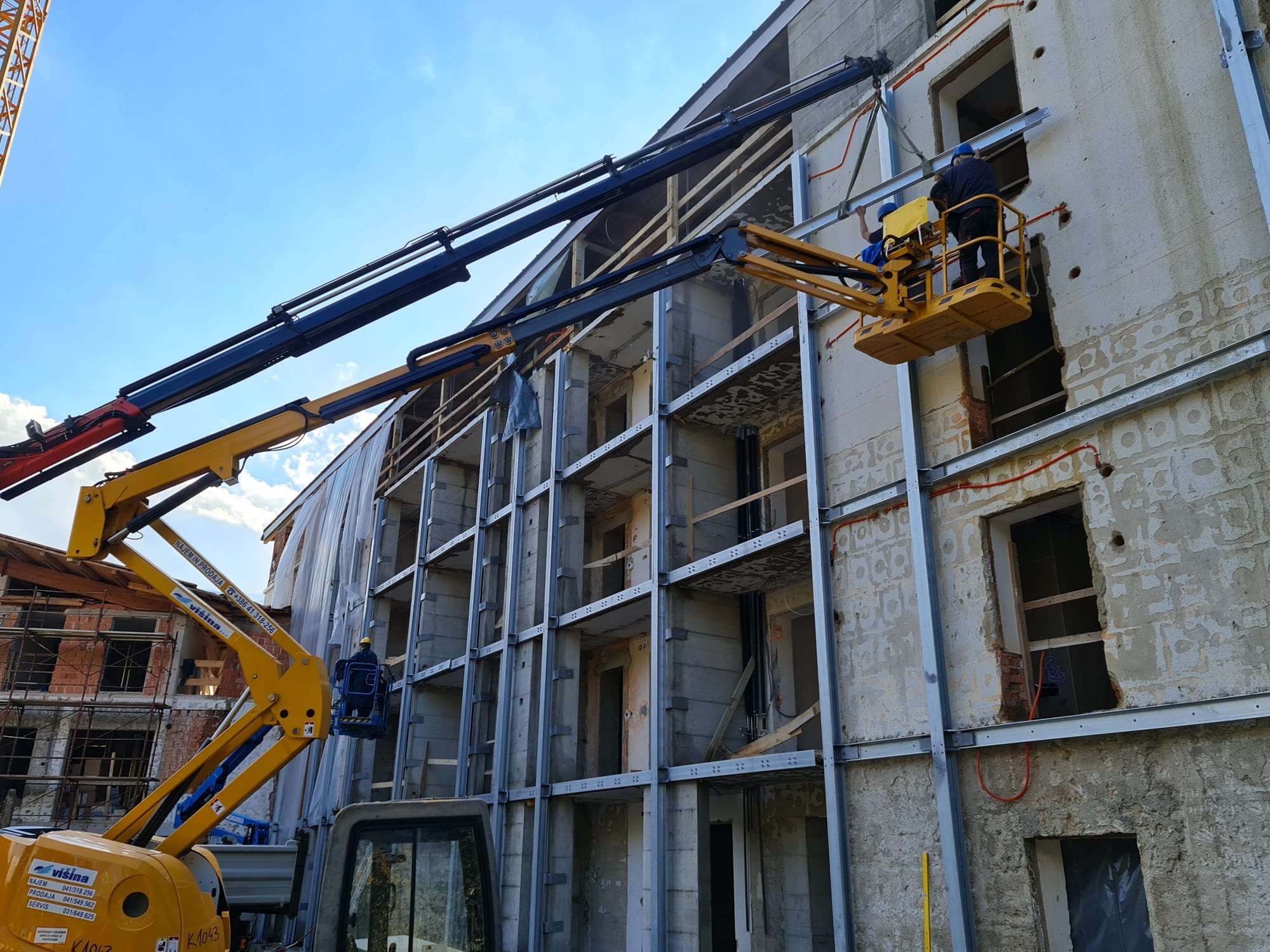
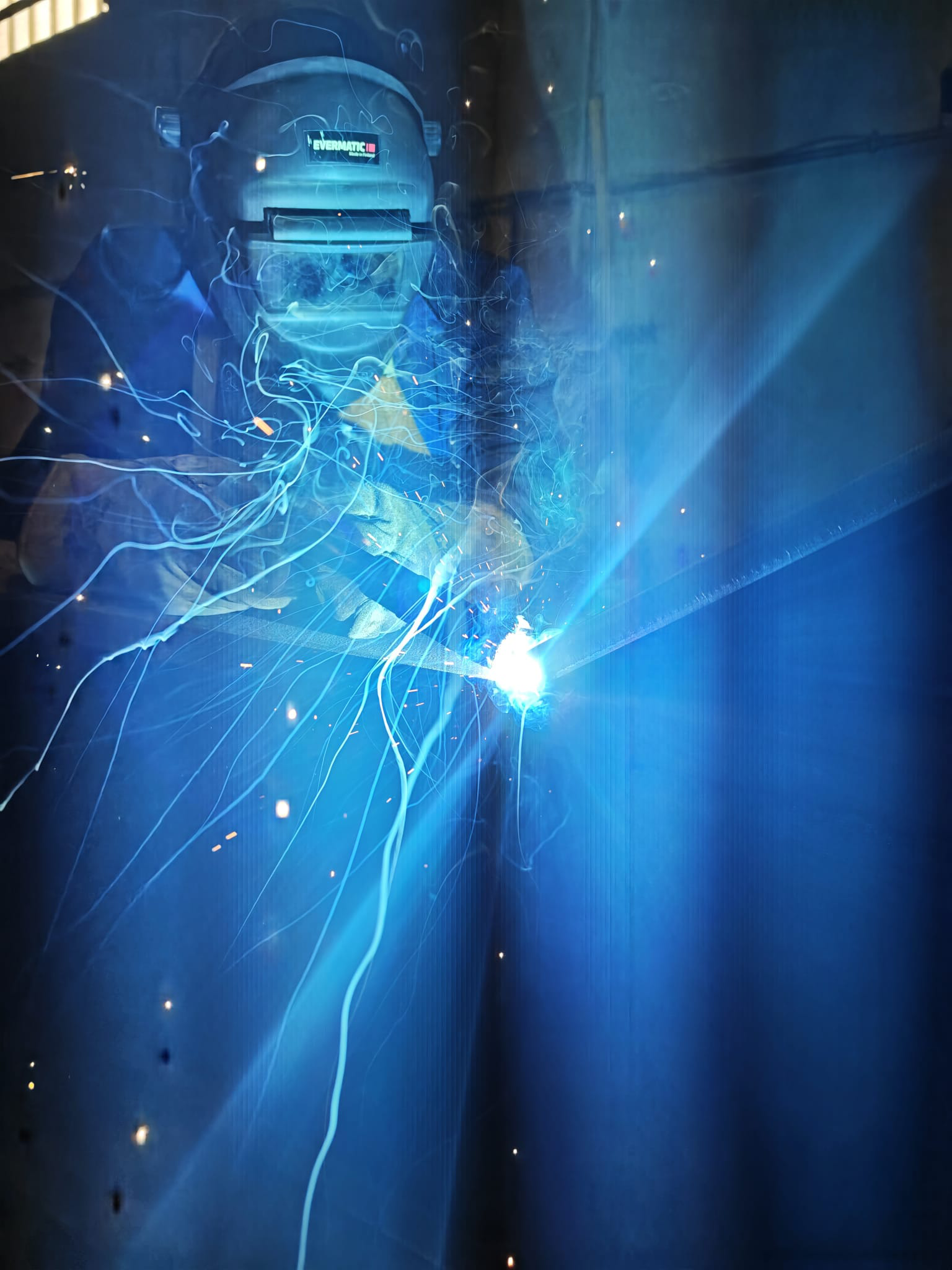
Metal structures are mostly made in the workshop, where they are precisely made, prepared and pre-assembled. This means less time and less work in the field, which also saves labour costs and reduces the chances of mistakes.
Example 1: Carport
The client wanted a canopy that would last for years without worry. We offered a wooden and a metal solution.
- The wooden canopy required more support due to its weight and the need for regular maintenance.
- The hot-dip galvanised steel metal canopy was lighter, took a day to assemble, and the weather protection is second to none.
After 7 years, the metal canopy is still intact, but the wooden one is in need of renovation.
Example 2: Storage hall
We compared concrete and metal construction when building the warehouse. The concrete solution initially worked out cheaper, but:
- The higher weight of concrete required more massive foundations, which raised costs.
- The installation took longer, which extended the time until the hall was ready for use.
- The metal construction allowed for a larger internal usable area and easier future upgrading.
In the end, they saved around €8,000 in metal and several weeks of work.
Example 3: External fence in a coastal area
The frosty and humid climate meant that the wooden fences on the shoreline deteriorated rapidly.
- The new metal fence is hot-dip galvanised and powder-coated to ensure a long, maintenance-free life.
- Although the metal fence cost 20 % more, the owners "covered" the higher initial investment after only a few years by saving on maintenance and renovation.
The benefits of metal in practice
- Flexibility: Metal structures can be easily upgraded or adapted.
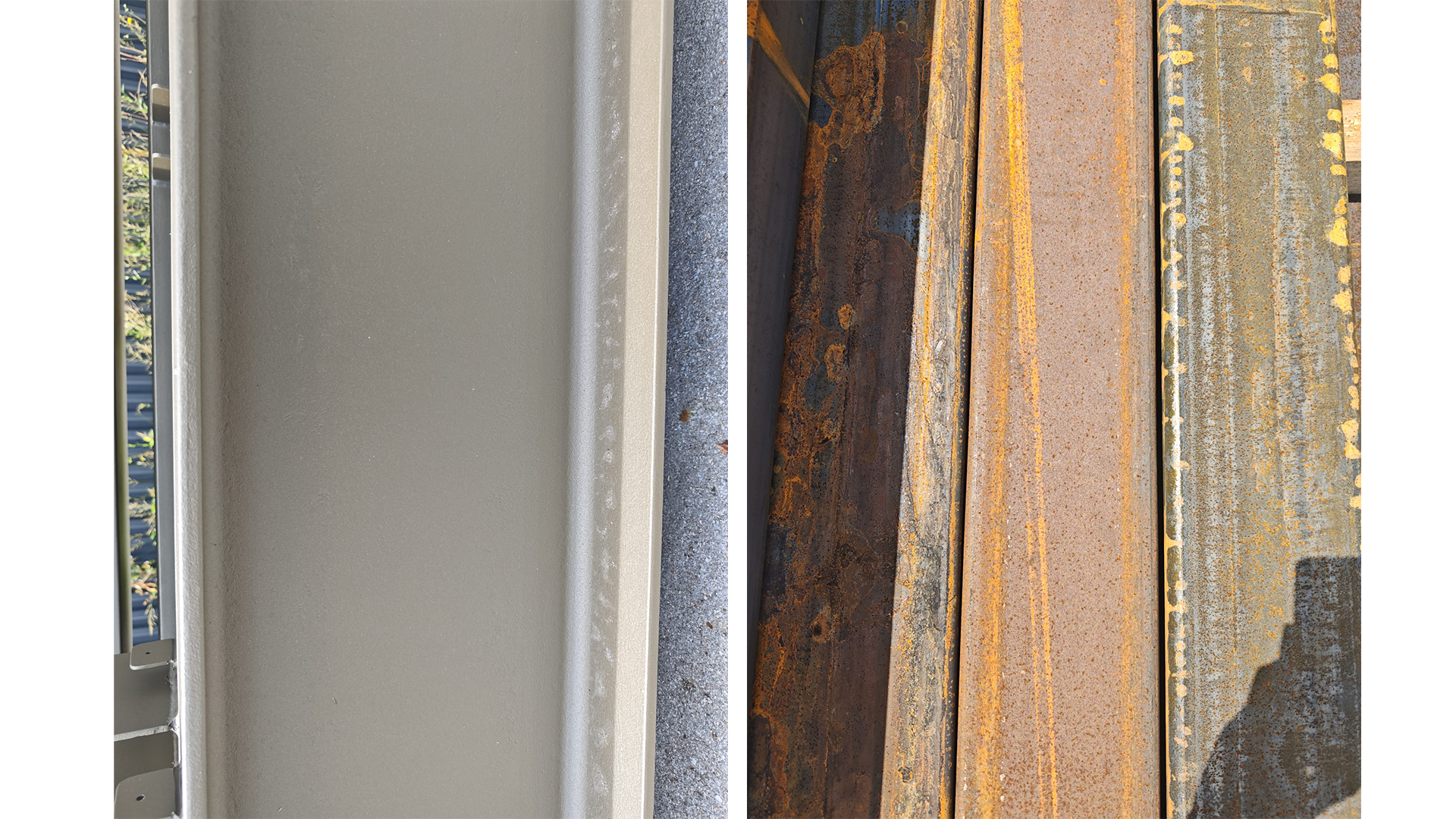
- Durability: With the right protection (e.g. hot-dip galvanising), metal structures are rust- and weather-resistant.
- Lighter load capacity: Less weight means cheaper foundations and easier installation.
- Speed of implementation: Pre-manufacture in the workshop and fast assembly on site.
- Sustainability: Possibility to dismantle and re-use metal elements.
When is it better to choose wood or concrete?
- For small structures where natural aesthetics and thermal insulation are important (garden sheds, pergolas).
- For massive buildings where fire resistance and sound insulation are required (residential buildings).
- When we want a very rustic or traditional look, albeit with more maintenance.
Metal is not always the cheapest on paper, but in many cases it is the best long-term investment. For structures, fences and canopies, it brings a combination of strength, flexibility and durability that wood and concrete struggle to match.
 English
  Slovenščina
  Deutsch (Sie)